
Private Duty Home Care in Rhode Island: What Families Should Know
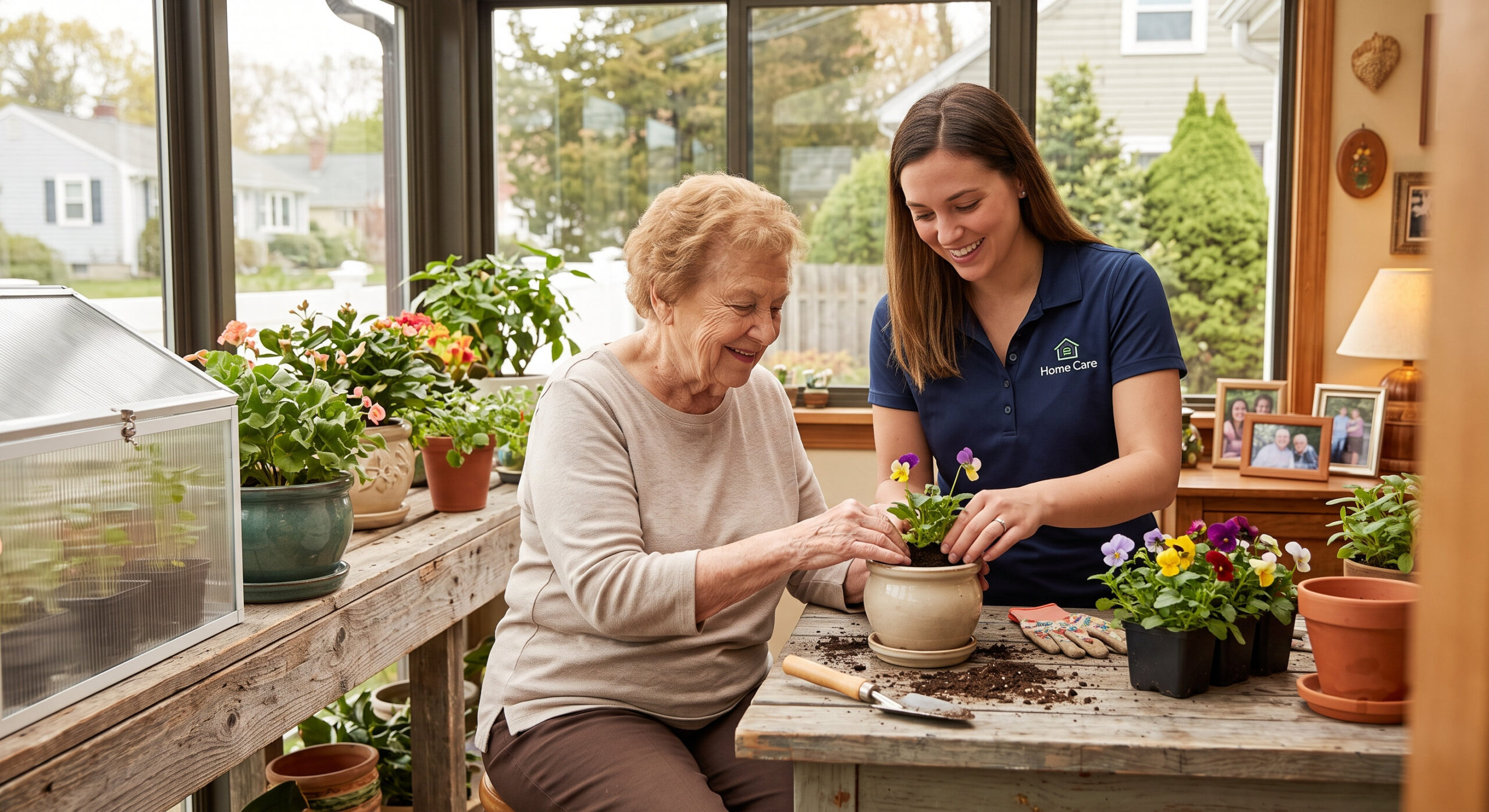
Many older adults want to remain in the comfort of their own homes as they age. Families often worry about their loved one’s safety and daily routines. They also wonder whether their loved one has the support needed to continue living independently.
Private duty home care Rhode Island services provide personalized,
non-medicalassistance that allows older adults to continue living at home with confidence. Support can be provided for just a few hours each week or daily. Every care plan is tailored to the individual’s unique needs and lifestyle.
For many adult children, choosing the right provider is about more than the services offered. They want compassionate caregivers they can trust and guidance from an organization that puts people first.
This guide explains what private duty home care includes, who can benefit, and why many Rhode Island families choose Saint Elizabeth Community.
What is Private Duty Home Care in Rhode Island?
Private duty home care provides personalized,
non-medicalsupport that helps older adults remain safe and independent at home. Services are tailored to each person’s daily routine, preferences, and changing care needs.
Unlike skilled home health care, private duty home care focuses on everyday assistance rather than medical treatment. Support may include personal care, meal preparation, and light housekeeping.
Caregivers can also provide transportation, medication reminders, companionship, and respite for family caregivers. Care can begin with only a few hours each week and increase as needs change. Every care plan is designed around the individual rather than a standard schedule.
Trusted providers work closely with families to understand each individual’s needs. This personalized approach helps older adults remain in the comfort of home with the support they need to live confidently.
Who Benefits Most From Private Duty Home Care?
Private duty home care is appropriate for many situations, not only advanced
aging. Families often seek assistance after noticing subtle changes that make everyday activities more difficult.
Older adults recovering from a hospital stay benefit from temporary support while regaining strength. Others living with chronic conditions may need ongoing help managing daily tasks that have become physically demanding.
Private duty home care may also be appropriate for individuals who:
Older Adults Living Alone
Living alone can increase concerns about falls, medication routines, proper nutrition, and social isolation. Regular caregiver visits provide both practical assistance and reassuring companionship.
Individuals With Early Memory Changes
People experiencing mild cognitive changes often remain capable of living at home. Gentle reminders and structured routines help them maintain their daily habits. Consistent caregiver support also promotes independence while giving families greater peace of mind.
Seniors Managing Chronic Health Conditions
Conditions such as arthritis, Parkinson disease, heart disease, or reduced mobility can make everyday activities more challenging. Private duty caregivers help with daily routines while encouraging individuals to remain as active as possible.
Family Caregivers Needing Support
Many adult children balance careers, parenting responsibilities, and
care giving, which can quickly become overwhelming. Private duty home care provides respite for family caregivers. It gives them time to rest, manage personal responsibilities, and spend more meaningful time with their loved one. During this time, professional caregivers provide trusted support.
Signs it May Be Time to Consider Private Duty Home Care
Many families worry that accepting help means giving up independence. In reality, the right support often helps older adults remain independent for longer. It also improves their safety and overall quality of life.
- Daily Tasks are Becoming More Difficult
Preparing meals, cleaning the home, doing laundry, or shopping may become increasingly challenging. When everyday responsibilities begin piling up, extra support can make daily life more manageable.
- Personal Hygiene has Changed
Missed showers, repeated clothing, or declining grooming habits may indicate that personal care has become difficult. Compassionate assistance can help older adults maintain their comfort, health, and dignity.
- Increased Fall Risk
Difficulty walking, frequent stumbling, or fear of falling can limit mobility and confidence. Early support helps create a safer home environment while encouraging continued independence.
- Family Caregivers Feel Overwhelmed
Balancing
care givingwith work and family responsibilities can quickly become exhausting. Professional support reduces caregiver stress while ensuring loved ones continue receiving consistent care.
- Social Isolation is Increasing
Spending more time alone can affect both emotional and physical well-being. Regular caregiver visits provide companionship and meaningful conversation. They also encourage social engagement, helping older adults feel more connected and supported.
Recognizing these signs early allows families to explore care before an emergency arises. Starting support gradually often makes the transition easier and helps older adults continue living comfortably in the place they know best.
What Services are Included in Private Duty Home Care?
Private duty home care focuses on helping older adults safely manage everyday life while remaining in the comfort of their own homes. Unlike skilled nursing or medical home health, private duty home care focuses on
non-medicalassistance.
It provides practical support that promotes independence, well-being, and peace of mind. The level of care depends entirely on the individual’s needs.
Some families arrange a few hours of support each week, while others schedule daily visits or extended care. A personalized care plan allows services to evolve as circumstances change.
Personal Care Assistance
Personal care is one of the most valuable aspects of private duty home care. Caregivers assist with activities that may have become physically challenging. At the same time, they help preserve each person’s dignity and independence.
Support may include bathing, dressing, grooming, toileting assistance, and mobility support. Caregivers encourage individuals to remain as independent as possible while providing help only where it is needed.
This balanced approach allows older adults to maintain confidence instead of feeling that their independence has been taken away.
Companionship and Emotional Support
Many families first seek home care because of loneliness rather than physical limitations. Regular companionship can have a meaningful impact on emotional well-being. Caregivers provide meaningful conversation and companionship throughout each visit.
They may also share meals, participate in hobbies, play games, accompany clients on walks, or simply spend quality time together. These interactions help reduce social isolation and encourage meaningful relationships. Families often value these connections just as much as the practical assistance caregivers provide.
Meal Preparation and Nutrition
Preparing nutritious meals can become increasingly difficult with age. Caregivers help plan menus, prepare nutritious meals, and monitor food supplies. They also encourage healthy eating habits that support overall wellness. Proper nutrition contributes to improved energy, strength, and recovery while reducing the risk of dehydration and poor health outcomes.
Light Housekeeping
A clean and organized home supports both safety and comfort. Private duty caregivers often assist with light housekeeping tasks. These may include laundry, vacuuming, washing dishes, changing bed linens, organizing living spaces, and taking out the trash. These everyday tasks help reduce fall hazards while creating a more pleasant environment for older adults.
Transportation and Errands
Maintaining independence often depends on reliable transportation. Caregivers may accompany clients to medical appointments, grocery stores, and pharmacies. They can also provide transportation to religious services and community activities. Reliable transportation helps older adults stay connected with their community and maintain their independence.
Medication Reminders
Although private duty caregivers do not administer medications unless appropriately licensed, they can provide reminders that help individuals follow prescribed schedules. Consistent reminders help reduce missed doses. They also support better medication adherence, especially for individuals managing multiple prescriptions.
Respite Care for Family Caregivers
Family caregivers dedicate countless hours supporting loved ones. While rewarding,
care givingcan also become emotionally and physically demanding. Private duty home care gives family caregivers time to rest, attend appointments, and manage work or personal responsibilities.
They can do so with confidence, knowing their loved one is receiving compassionate care. Taking regular breaks helps caregivers maintain their own well-being while continuing to provide long-term support.
Why Families in Rhode Island Choose Nonprofit Private Duty Home Care?
Selecting a home care provider involves much more than comparing services or pricing. Families also want confidence that the organization shares their values and places people before profits.
This is one reason many Rhode Island families choose non-profit
organizationssuch as Saint Elizabeth Community. A non-profit provider reinvests its resources into improving care, supporting caregivers, and expanding programs.
Instead of distributing profits to shareholders, it focuses on strengthening the communities it serves. That mission-driven approach often creates a different experience for both clients and families.
Care is Guided by Individual Needs
Every older adult has unique preferences, routines, and goals. Instead of following a standardized approach, nonprofit providers create personalized care plans for each individual. These plans reflect the person’s lifestyle, health concerns, and level of independence. This individualized attention allows care to grow naturally as needs evolve.
Strong Relationships Matter
Trust develops through consistency. Families appreciate seeing familiar caregivers who take time to understand personal routines,
favoriteactivities, and individual preferences. These lasting relationships help older adults feel comfortable and supported. They also give families peace of mind, knowing their loved one is cared for by someone who truly understands their needs.
Supporting the Entire Family
Quality home care extends beyond assisting one individual. Families often have questions about future planning, available resources, changing care needs, and long-term options. An experienced non-profit
organizationguides the decision-making process. This helps families make informed choices without feeling pressured into unnecessary services.
A Commitment to the Community
Organizations that have served Rhode Island families for generations understand the unique needs of local communities. Their commitment extends beyond providing care. They support healthy aging and help older adults stay active in their communities.
How to Choose the Right Private Duty Home Care Provider in Rhode Island?
Choosing a home care provider is one of the most important decisions a family can make. Asking the right questions can help you find a provider that delivers compassionate, high-quality care tailored to your loved one’s needs.
Ask About Caregiver Screening and Training
Professional caregivers should complete comprehensive background checks, ongoing education, and regular training. Families should feel confident that caregivers possess both the technical skills and compassion needed to provide exceptional support.
Understand How Care Plans are Developed
Every individual’s needs are different. Ask whether care plans are personalized, how often they are reviewed, and how adjustments are made if health or lifestyle needs change. Flexible care plans allow services to evolve without unnecessary disruption.
Learn How Communication Works
Open communication builds trust. Families should understand how updates are shared, who to contact with questions, and how concerns are addressed. Regular communication helps everyone remain informed and involved in the care process.
Consider Scheduling Flexibility
Needs often change unexpectedly. Ask whether services can be adjusted if additional support becomes necessary following an illness, hospitalization, or other life event. A provider that offers flexible scheduling can respond more effectively as circumstances evolve.
Look Beyond Cost Alone
Price is important, but it should not be the only factor. Experience, personalized care, caregiver consistency, and strong family support often provide greater long-term value.
Taking time to compare providers helps families make informed decisions with confidence. The right home care partner offers not only dependable services but also peace of mind for the entire family.
Why Choose Saint Elizabeth Community for Private Duty Home Care?
Choosing a home care provider is about more than finding help with daily tasks. Families want compassionate caregivers they can trust. They also want a partner who will support their loved one with dignity and respect.
Saint Elizabeth’s Community has served Rhode Island families for generations. As a non-profit
organization, Saint Elizabeth Community creates personalized care plans for every individual.
Each plan reflects the person’s needs, preferences, and goals while helping them remain comfortable and independent at home. Whether your loved one needs companionship, personal care, or short-term support after a hospital stay, Saint Elizabeth Community is here to help.
Explore our Private Duty Home Care and Home and Community-Based Services to find the right level of care for your family.
Frequently Asked Questions
Can private duty home care be arranged after a hospital discharge?
Yes. Many families arrange private duty home care after a hospital stay to provide extra support during recovery. Caregivers can assist with daily activities while helping reduce the risk of complications or readmission.
Can care schedules be changed if my loved one’s needs increase?
Most providers offer flexible care plans that can be adjusted as needs change. Services may be increased or reduced without requiring a completely new care arrangement.
How quickly can private duty home care services begin?
The start time depends on the provider and the individual’s needs. Many organizations can complete an assessment and begin services within a few days, or sooner for urgent situations.
Can private duty home care be combined with other senior care services?
Yes. Many older adults receive private duty home care alongside other community or healthcare services. Combining services can provide more comprehensive support while allowing individuals to remain at home.
What should families prepare before the first caregiver visit?
It helps to gather important medical information, emergency contacts, medication lists, and daily routines. Sharing personal preferences also helps caregivers provide more personalized and comfortable support.